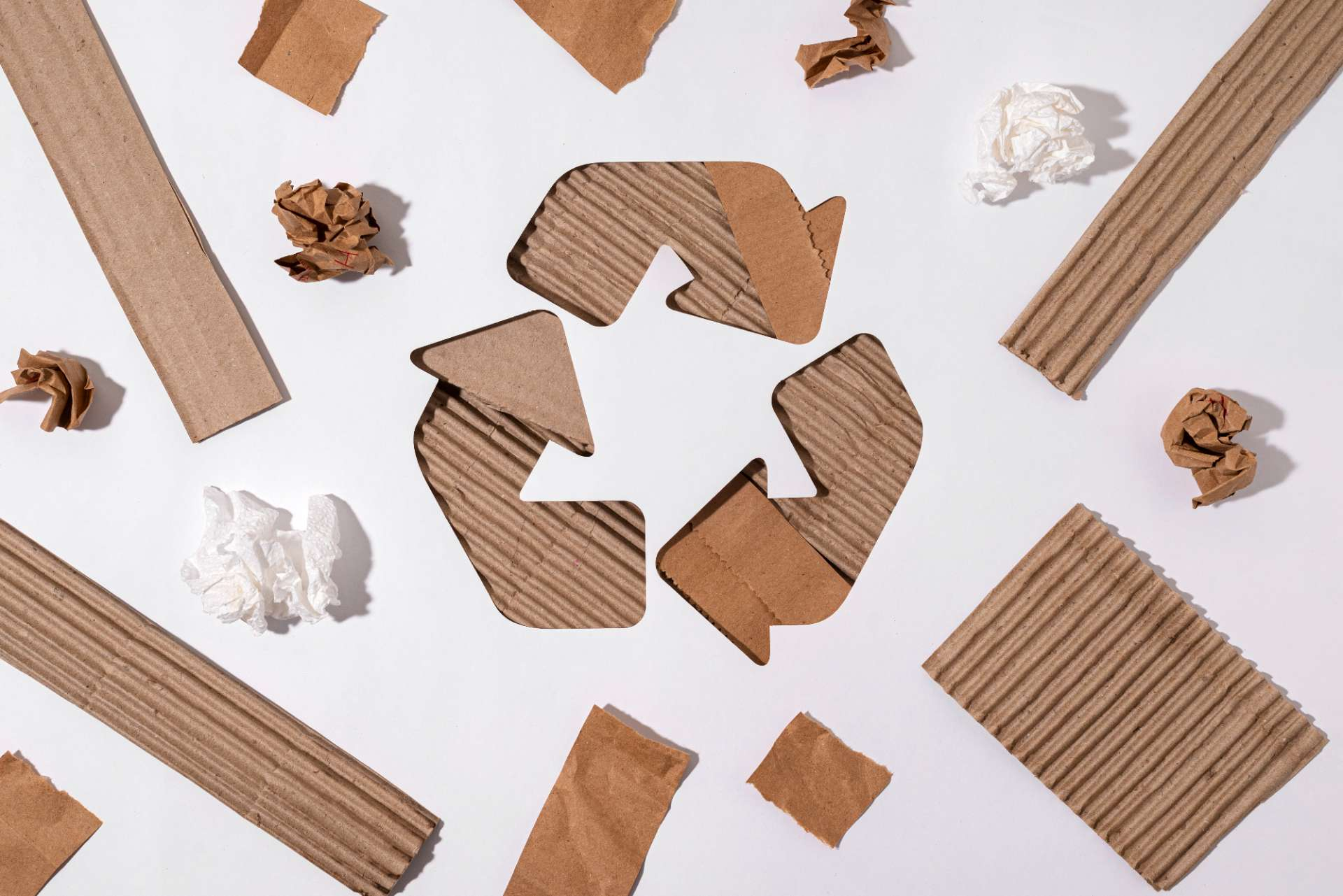
1. The Business Case for Sustainable Packaging
Consumer Demand Drives Market Evolution
Walk through any retail environment today, and you'll witness a fundamental shift in how consumers interact with packaging. Shoppers spend extra moments examining recycling symbols, reading sustainability claims, and actively choosing products based on environmental considerations. This behavioral change reflects deeper values alignment that's reshaping entire market segments.
Recent research reveals the scope of this transformation. According to Nielsen's Global Corporate Sustainability Report, 73% of global consumers express willingness to pay premium prices for sustainable packaging, while Millennial and Gen Z buyers consistently prioritize environmental responsibility as a primary purchasing factor. These aren't marginal preferences—they represent fundamental shifts in how consumers define value and make spending decisions.
The ripple effects extend throughout business relationships. B2B purchasing increasingly incorporates sustainability criteria into vendor selection processes, creating opportunities for companies demonstrating genuine environmental commitment. Forward-thinking businesses recognize that sustainable packaging opens doors to partnerships and market segments that remain closed to companies relying on traditional approaches.
Strategic Investment vs. Long-Term Value Creation
The initial conversation about sustainable packaging often centers on cost concerns, but this perspective misses the broader economic picture. While eco-friendly materials may require upfront investment, total cost of ownership frequently favors sustainable approaches through multiple value creation mechanisms that compound over time.
Material efficiency represents one of the most immediate benefits. Sustainable packaging design typically emphasizes optimization, reducing overall material usage while maintaining protection and presentation standards. BP Solutions Group's FSC-certified materials exemplify this approach, providing environmental benefits while delivering consistent quality that supports brand presentation requirements.
Beyond material costs, sustainable packaging creates value through shipping efficiencies, waste reduction, and energy savings throughout the supply chain. Lightweight sustainable materials reduce transportation costs, while optimized designs improve shipping efficiency and decrease handling requirements. These operational improvements often offset initial material premiums while delivering measurable environmental benefits.
2. Sustainable Material Options and Applications
FSC Certification: Verified Forest Stewardship
Forest Stewardship Council certification represents the gold standard in responsible forest management, ensuring that packaging materials support biodiversity preservation while meeting demanding functional requirements. This certification system provides transparency and verification that resonates with environmentally conscious consumers and business partners.
BP Solutions Group's FSC certification (FSC-C103525) demonstrates commitment to sustainable forestry while providing clients with access to materials that maintain exceptional printing quality and structural integrity. The chain-of-custody verification process ensures responsible sourcing from certified forests through finished packaging, creating credible sustainability stories that support marketing and brand development goals.
FSC-certified materials serve diverse applications across multiple industries:
- Folding cartons for retail products, cosmetics, and food packaging applications
- Labels and hang tags for apparel, craft products, and retail merchandise
- Point-of-purchase displays supporting sustainable marketing initiatives
- Shipping containers for e-commerce and direct-to-consumer fulfillment
- Promotional materials aligning marketing campaigns with environmental values
Recycled Content Integration
Incorporating post-consumer recycled materials into packaging systems creates immediate environmental benefits while supporting circular economy principles. Modern recycled materials provide performance characteristics that rival virgin alternatives, enabling companies to achieve sustainability goals without compromising protection or presentation standards.
The technology behind recycled material processing has evolved dramatically, producing materials with excellent printability, structural integrity, and consistency. Today's recycled paperboard and cardboard options support high-resolution graphics, complex die-cutting requirements, and demanding shipping conditions while diverting waste streams from landfills and reducing demand for virgin materials.
Performance considerations that once limited recycled material applications continue diminishing as processing technology advances. Modern recycled materials meet food safety requirements, provide excellent barrier properties, and maintain color consistency that supports precise brand matching. These improvements enable broader application across industries previously constrained by recycled material limitations.
Innovation in Biodegradable Materials
Emerging biodegradable materials represent the cutting edge of sustainable packaging innovation, offering complete end-of-life solutions for specific applications. Plant-based plastics derived from renewable agricultural resources provide transparency and durability while breaking down in commercial composting systems, creating packaging solutions that eliminate long-term environmental impact.
These advanced materials address applications where traditional recyclable materials face limitations. Water-soluble films enable innovative packaging approaches for specific product categories, while compostable barriers replace petroleum-based materials in food packaging applications. Natural fiber composites combine strength with environmental responsibility, creating options for demanding industrial applications.
The key to successful biodegradable material implementation lies in matching material properties to specific application requirements. Different biodegradable materials excel in particular scenarios:
- Food packaging requiring moisture and oxygen barrier properties
- Cosmetic containers balancing protection with aesthetic requirements
- Industrial packaging providing protection during shipping and handling
- Promotional packaging creating memorable unboxing experiences
3. Design Strategies for Environmental Impact Reduction
Optimization Through Intelligent Design
The most sustainable packaging often achieves environmental goals through smart design rather than exotic materials. Right-sizing approaches minimize material usage while maintaining protection standards, creating immediate environmental and cost benefits. Advanced structural engineering enables designers to maximize strength while reducing material volume, achieving sustainability goals through innovation rather than compromise.
BP Solutions Group's custom packaging services demonstrate how professional expertise transforms sustainability challenges into design opportunities. Multi-functional designs serve multiple purposes, reducing overall material requirements while creating enhanced user experiences. Integrated display features eliminate separate point-of-purchase materials, while reusable container designs provide consumer value beyond initial product protection.
Digital printing technology supports sustainability through on-demand production that eliminates inventory waste and reduces setup materials. Variable data capabilities enable targeted campaigns that reduce overall print volume while improving response rates, creating marketing efficiency that supports both environmental and business objectives.
Manufacturing Process Innovation
Sustainable manufacturing extends beyond material selection to encompass entire production processes. Energy-efficient production methods, waste reduction strategies, and local sourcing approaches minimize environmental impact throughout manufacturing while often improving operational efficiency and cost-effectiveness.
Process automation and quality control systems prevent waste through first-time accuracy, reducing material consumption and energy usage associated with reprints and corrections. Digital proofing systems accelerate approval processes while eliminating physical proof materials, streamlining workflows that benefit both environmental and project timeline objectives.
4. Industry-Specific Sustainable Solutions
Food and Beverage Applications
Food packaging sustainability requires careful balance between environmental responsibility and safety requirements. FDA approval processes for sustainable materials ensure consumer safety while supporting environmental goals, creating opportunities for companies willing to invest in proper compliance and testing procedures.
The craft beverage industry has emerged as a leader in sustainable packaging adoption, with breweries and distilleries using recycled content labels and biodegradable carriers to differentiate their brands while supporting environmental messaging. These applications demonstrate how sustainability becomes integral to brand identity rather than an additional cost center.
Barrier properties represent critical considerations in food packaging sustainability. Modern sustainable materials provide excellent moisture and oxygen protection while maintaining recyclability or compostability, enabling food companies to achieve sustainability goals without compromising product freshness or safety standards.
Cosmetics and Personal Care
Premium cosmetics packaging faces unique challenges in balancing luxury presentation with environmental responsibility. Refillable systems represent innovative approaches that reduce packaging waste while encouraging customer loyalty and repeat purchases. Bio-based plastics provide transparency and durability for containers requiring visual product display while supporting sustainability messaging.
Regulatory compliance remains paramount in personal care packaging, requiring sustainable materials to meet chemical compatibility and stability requirements over product shelf life. Professional packaging partners with regulatory expertise help navigate these requirements while maximizing sustainable material opportunities.
5. Implementation Strategies and Best Practices
Strategic Planning for Sustainable Transitions
Successful sustainable packaging implementation begins with comprehensive assessment of current materials, costs, and environmental impact. This analysis provides baseline metrics that guide decision-making and enable measurement of improvement progress over time. Consumer research and competitive analysis inform strategy development while ensuring market acceptance of sustainable alternatives.
Phased implementation approaches spread costs over multiple budget periods while enabling learning and optimization between phases. Pilot programs test sustainable solutions under real-world conditions, gathering performance data and consumer feedback that inform broader implementation decisions.
Partnership Development
Working with suppliers committed to sustainable practices creates synergies that extend beyond individual packaging projects. Long-term partnerships enable joint development of innovative solutions while providing volume commitments that improve sustainable material pricing and availability.
Professional printing partners with sustainable packaging expertise provide guidance throughout implementation processes. Certification management, quality assurance, and cost optimization services ensure that sustainability goals are achieved without compromising functional requirements or budget parameters.
6. Measuring Success and Continuous Improvement
Sustainable packaging success requires clear metrics and systematic measurement approaches. Environmental impact assessments, cost analysis, and consumer response tracking provide data that supports continued investment and program optimization. Transparency in progress reporting builds customer confidence while identifying areas for continued improvement.
The most successful sustainable packaging programs treat environmental responsibility as an ongoing commitment rather than a destination. Continuous innovation, supplier partnership development, and process optimization create competitive advantages that compound over time while delivering measurable environmental benefits.
7. Frequently Asked Questions
How much does sustainable packaging typically cost compared to traditional options?
Sustainable packaging costs vary significantly based on materials, volumes, and design complexity, but the total economic picture often favors eco-friendly approaches. Initial material premiums of 10-30% in small quantities frequently achieve cost parity or savings through volume commitments and design optimization. Hidden cost reductions from improved efficiency, reduced waste, and shipping savings accelerate return on investment while tax incentives provide additional economic benefits for companies demonstrating environmental responsibility.
Will sustainable packaging compromise product protection or shelf life?
Modern sustainable packaging materials provide protection characteristics that meet or exceed traditional alternatives. Advanced barrier properties available in bio-based and recycled materials undergo rigorous testing to ensure performance standards, while innovation investments continually improve sustainable material capabilities. Professional guidance helps match material properties to specific product requirements, ensuring protection standards while achieving environmental goals.
How do I communicate sustainability benefits to customers effectively?
Effective sustainability communication requires transparency and specific messaging that builds consumer confidence. Credible certifications like FSC logos provide third-party verification of environmental claims, while clear labeling explains recycling and disposal instructions. Sustainability storytelling connects packaging choices to broader environmental impact, supported by educational content that helps consumers understand benefits. Progress reporting with measurable improvements in sustainability metrics demonstrates ongoing commitment rather than one-time initiatives.
Can small businesses access sustainable packaging options affordably?
Sustainable packaging accessibility continues improving for businesses of all sizes through flexible volume options and partnership programs. No minimum orders for digital printing on sustainable materials accommodate small business needs, while design efficiency often reduces total packaging costs through optimized sustainable solutions. Local sourcing minimizes transportation costs while supporting regional sustainability initiatives, creating affordable access to premium sustainable materials.
8. Building a Sustainable Future Through Strategic Packaging Choices
Sustainable packaging represents a fundamental shift from viewing environmental responsibility as a cost center to recognizing it as a strategic differentiator that creates lasting business value. Companies embracing this perspective position themselves advantageously in markets where environmental consciousness increasingly influences purchasing decisions across all demographics and business segments.
The transition requires careful planning and professional expertise, but the benefits justify implementation investments through improved operational efficiency, enhanced brand perception, and expanded market opportunities. Environmental stewardship becomes integral to business strategy rather than an additional burden, creating competitive advantages that compound over time.
For businesses ready to implement comprehensive sustainable packaging strategies, partnering with BP Solutions Group provides access to FSC-certified materials, innovative design approaches, and manufacturing expertise that transforms environmental goals into business advantages. Our century of printing experience ensures successful sustainable transitions that protect product integrity while supporting environmental stewardship and business growth objectives throughout your sustainability journey.
