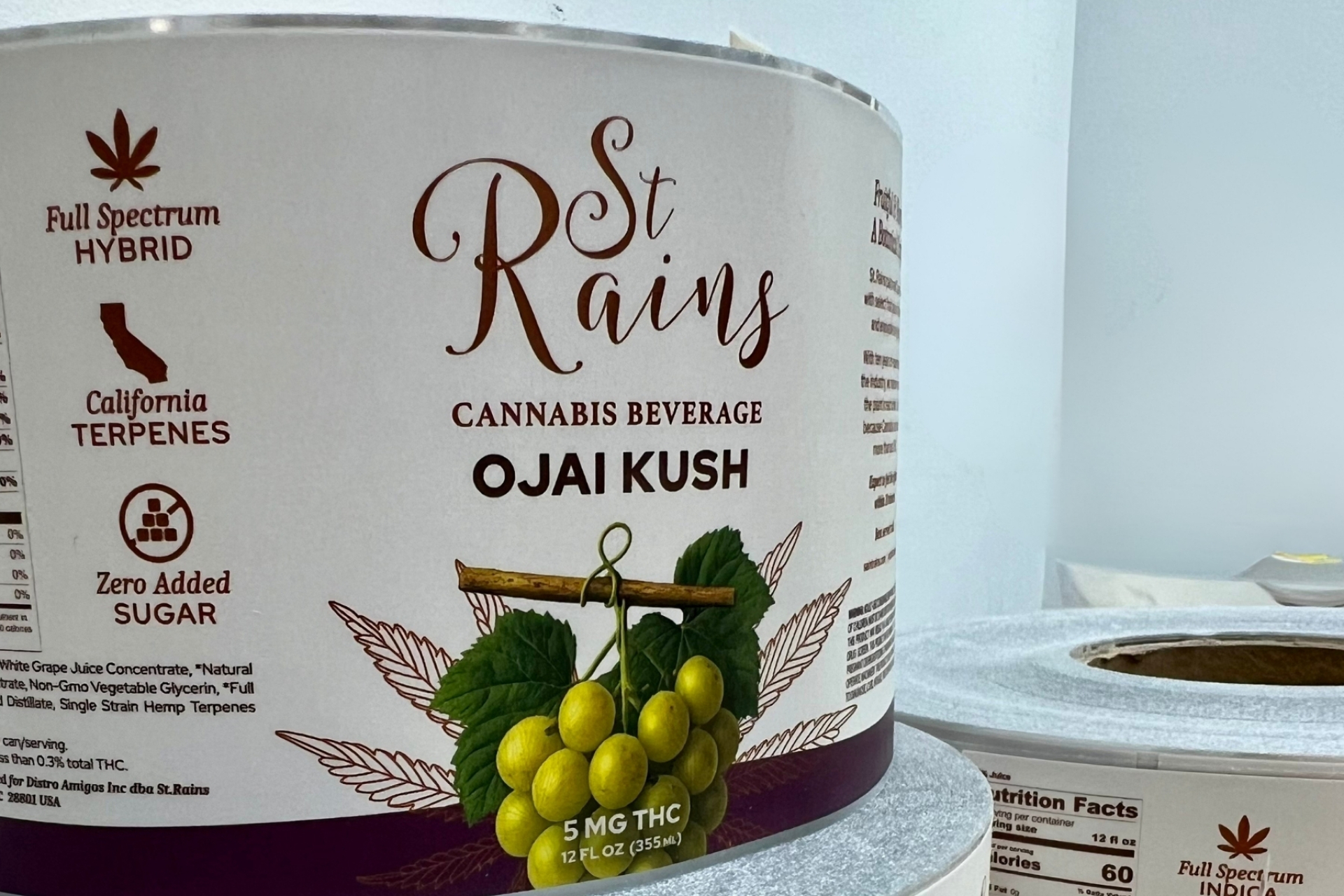
Understanding Label Finishes
Label finishes are specialized treatments applied during or after the printing process to enhance appearance, provide protection, or add unique visual or tactile elements to your labels. They serve both aesthetic and functional purposes, working together to create a complete sensory experience for consumers.
Why Label Finishes Matter
The right finish can:
- Create immediate visual differentiation on crowded shelves
- Communicate product quality and brand positioning
- Enhance durability and protection against handling, moisture, and light
- Add security features that deter counterfeiting
- Provide tactile experiences that engage additional consumer senses
- Reinforce brand identity and product positioning
In today's premium product categories, sophisticated label finishes have evolved from luxury add-ons to essential components of brand strategy. Research shows that consumers make subconscious quality judgments within milliseconds of seeing a product, with packaging finishes playing a significant role in these snap evaluations.
Matte Finishes: Sophisticated Understated Elegance
Matte finishes have surged in popularity across multiple industries, particularly for premium and artisanal products. This finish reduces light reflection, creating a smooth, subtle appearance that communicates sophistication and contemporary style.
Characteristics of Matte Finishes:
- Soft, non-reflective surface
- Contemporary, sophisticated aesthetic
- Excellent readability under various lighting conditions
- Fingerprint resistance compared to glossy alternatives
- Subtle tactile quality that invites touch
Best Applications:
Matte finishes excel for premium products, artisanal goods, organic and natural offerings, and brands with minimalist design aesthetics. They're particularly popular in craft beverages, premium cosmetics, gourmet foods, and high-end wine labels.
When we worked with Red Fiddle Vittles to upgrade their food product packaging, we helped them transition from generic cartons with labels to custom cartons with elegant simplicity that provided fantastic shelf appeal. The matte finish complemented their desired butcher paper aesthetic while maintaining a professional appearance.
Design Considerations:
When designing for matte finishes, embrace negative space, use typography with precision, and consider subtle color palettes that benefit from the non-reflective surface. Matte finishes tend to slightly mute vibrant colors, so account for this when selecting your color scheme.
Gloss & Varnish Options: Adding Shine and Protection
Gloss finishes create reflective, shiny surfaces that make colors appear more vibrant and images more dynamic. Various varnish options allow for different levels of shine and protection.
Types of Gloss Finishes:
- UV Gloss Coating: High-shine, extremely durable finish cured with ultraviolet light
- Aqueous Gloss Coating: Water-based, environmentally friendly option with good shine
- Varnish: Traditional method available in different shine levels and spot applications
Best Applications:
Gloss finishes work exceptionally well for products requiring vibrant color reproduction, photographic imagery, or high shelf impact. They're popular for food products, beverages with bright branding, children's products, and items that need maximum visibility.
For Carolina Day School's viewbook, we implemented specific finishing techniques to achieve their desired effect on their bell logo image. Similar approaches with gloss varnishes can create striking focal points on product labels.
Partial Gloss Applications:
One particularly effective technique is combining matte backgrounds with spot UV or selective gloss elements. This creates visual and tactile contrast that draws attention to specific design elements, logos, or text. The interplay between matte and gloss creates a sophisticated, premium feel while highlighting key brand elements.
Metallic Finishes: Creating Premium Shelf Presence
Metallic finishes add reflective, light-catching elements that signal premium quality and create dynamic visual interest. They range from subtle shimmer effects to bold, mirror-like surfaces.
Types of Metallic Finishes:
- Foil Stamping: Application of metallic foil using heat and pressure
- Metallic Inks: Specialty inks containing metal particles
- Metallized Substrates: Label materials with inherent metallic properties
- Cold Foil: Applied in-line during printing for efficient metallic effects
Color Options:
While gold and silver remain classics, today's metallic palette has expanded dramatically. Options now include rose gold, copper, bronze, holographic effects, pearlescent finishes, and custom-colored metallics that can align perfectly with brand palettes.
Best Applications:
Metallic finishes excel for premium and luxury products, limited editions, gift items, and celebratory products. They're particularly effective in cosmetics, spirits, premium confectionery, and special occasion packaging.
Design Considerations:
When incorporating metallics, remember that less is often more. Strategic use of metallic elements creates more impact than covering entire labels. Consider how light in the retail environment will interact with metallic elements, potentially creating different appearances depending on store lighting and positioning.
Embossing & Debossing: Adding Tactile Elements
These techniques create dimensional effects by either raising (embossing) or recessing (debossing) elements of the label design, adding a tactile dimension that engages another consumer sense.
Characteristics:
- Creates physical dimension without adding color or foil
- Can be combined with other finishes for enhanced effect
- Adds sophisticated, premium quality signals
- Engages touch, creating multi-sensory brand experiences
Best Applications:
Embossing and debossing work beautifully for logos, brand names, patterns, or decorative elements. They're particularly effective for luxury products, heritage brands, and items that benefit from tactile interaction.
In our work creating hang tags for Rug and Home, we developed 5" circular tags with three eye-catching color options. Incorporating embossing techniques would further enhance such applications, adding tactile elements that reinforce quality perceptions.
Combination Techniques:
For maximum impact, embossing or debossing can be combined with other finishes:
- Blind Emboss: Raised elements without ink or foil for subtle sophistication
- Registered Emboss: Perfectly aligned with printed elements
- Foil Emboss: Combining metallic foil with raised elements for luxury effect
Specialty Coatings: Soft Touch, Texture, and Effects
Beyond standard matte and gloss options, a world of specialty coatings creates unique sensory experiences and visual effects.
Soft Touch Coatings
This velvety, tactile finish creates a luxurious feel that invites touch while providing scuff resistance. It's exceptionally popular for premium products across categories, communicating quality through tactile means.
We applied soft touch aqueous coating in our work with Carolina Day School, overlaid with spot UV to achieve a specific effect. This combination of finishes creates a sophisticated interplay of texture and visual elements highly effective in label applications.
Textured Coatings
These finishes can simulate various textures—like linen, leather, wood grain, or sand—adding both visual and tactile interest to labels. They create immediate differentiation and can reinforce brand stories or product attributes.
Special Effect Coatings
Innovative specialty coatings continue to emerge, including:
- Thermochromic: Changes color with temperature
- Photochromic: Reacts to UV light exposure
- Glow-in-the-dark: Creates visibility in darkness
- Scented: Releases fragrance when scratched
- Soft-feel: Creates velvety texture
Combining Finishes: Creating Unique Label Experiences
While individual finishes offer distinct advantages, the most compelling labels often combine multiple techniques to create unique, ownable packaging experiences.
Effective Combinations:
- Matte background + spot UV highlights: Creates visual contrast and focal points
- Embossing + metallic foil: Adds dimension to reflective elements
- Soft-touch coating + selective gloss: Combines tactile and visual contrast
- Textured areas + smooth areas: Creates interesting sensory variation
For Smiling Hara's Hempeh Cartons, we ensured their packaging could withstand being frozen or wet for placement in produce sections and freezers, while maintaining brand consistency throughout their product lines. The die-cut window allows easy viewing of their product in stores—demonstrating how functional and finishing elements can work together.
The key to successful combinations is intentionality—each finish should serve a specific purpose rather than simply adding complexity. Strategic combinations can create proprietary packaging "signatures" that become immediately recognizable to consumers.
Choosing the Right Finish for Your Brand
Selecting the optimal label finish requires considering multiple factors:
Brand Positioning
Your finish should align with overall brand positioning. Luxury brands typically benefit from premium finishes like soft-touch, embossing, or metallics, while natural/organic brands might lean toward matte, textured, or uncoated options that communicate authenticity.
Product Category Expectations
Consider category norms and whether you want to conform or disrupt. Some categories have strong finish expectations (like glossy for mainstream food products), while others offer opportunities to differentiate through unexpected finishes.
Functional Requirements
Consider the product's usage environment. Products exposed to moisture, refrigeration, or frequent handling may require more durable finishes, while products in controlled environments have more flexibility.
Budget Considerations
While premium finishes add cost, they often deliver strong ROI through increased perceived value and purchase rates. Consider lifetime value and conversion impact when evaluating finishing options.
Sustainability Goals
If environmental responsibility is central to your brand, explore eco-friendly finishing options like water-based coatings, recycled content labels, and finishes compatible with recycling streams.
As an FSC®-certified printer (FSC-C103525), we offer many options for using Forest Stewardship Council® certified paper. This means your labels can have both a positive environmental impact AND extremely high quality, without compromising on finish quality.
FAQ: Label Finishes
Do different finishes affect label durability?
Yes, significantly. UV coatings provide excellent scuff and moisture resistance, while soft-touch finishes, while beautiful, may show wear more easily. Discuss your product's environment and handling expectations with your label manufacturer to select appropriate protective finishes.
How do label finishes affect production timelines?
Some specialty finishes require additional production steps that may extend timelines. Foil stamping, embossing, and specialty coatings generally add 3-5 business days to production schedules. Discuss timing considerations early in your project planning.
Can eco-friendly labels have premium finishes?
Absolutely. Today's sustainable label options include water-based coatings, recycled content materials, and responsibly sourced papers that can accept various premium finishes. Our FSC® certification ensures we can provide environmentally responsible options without sacrificing quality.
How do I know which finish is right for my product?
Consider requesting samples or prototypes with different finishes to evaluate them in your specific retail environment and alongside competing products. There's no substitute for seeing and touching finished labels in context.
Will different printing methods affect my choice of finishes?
Yes. Digital printing offers excellent quality with certain finishing limitations, while traditional offset printing enables the broadest range of finishing options. Discuss your design vision early so we can recommend the optimal printing approach.
Conclusion: Making Your Labels Work Harder
In today's competitive market, every element of your packaging must contribute to brand success. The right label finish transforms ordinary labels into powerful marketing tools that communicate quality, create emotional connections, and drive purchase decisions.
At BP Solutions Group, our century of experience in print and packaging gives us unparalleled expertise in label finishes that perform beautifully on shelf and in consumers' hands. We help brands select and implement finishes that align with their positioning, meet functional requirements, and create compelling consumer experiences.
Whether you're launching a new product, refreshing existing packaging, or looking to elevate your brand perception, our team is ready to guide you through the world of label finishes. Contact us today to discuss how the right finish can transform your labels from informational necessities to powerful brand assets.
